Home > Advice & Learning > Page 23

Stay Active in the Snowy Season – A Guide for Runners and Power Walkers this Winter

3 Min Read
Sandra MacGregor
Tips to stay active in the winter

Winter can be one of the hardest times of the year to stay active. Not only does the cold slow down some would-be winter warriors, but the early darkness and potential slip-and-fall ice hazards may also keep you from maintaining healthy exercise. Luckily, with a few adjustments, you can ease your favorite outdoor exercise like running or power walking into the winter season.

Here are five tips on how to stay safe while being active this winter.

1. Step Safely

Whether you stay active in the cold months by walking or running, the right shoes could make the difference between stepping smartly or a serious slip. There are even slip-on shoe spike accessories that easily attach to a variety of footwear for added protection against falls on icy sidewalks or trails. Also be sure to take your time walking or running on uneven/poorly shoveled sidewalks as it can easily lead to a fall and possibly a twisted ankle.

2. Hot and Not-so-heavy

Once you’ve got the best footwear for your winter activity, make sure you’re properly prepared in warm but moisture-wicking outdoor gear. Heavy or thick clothing doesn’t necessarily keep you warmer. Technological advances in the construction of fabrics mean there’s remarkably breathable yet lightweight clothing available for the winter months. Your best bet is to hit an outdoor or athletic specialty store that can help you select the right outfit for your outdoor adventure.

3. Safety First

Ensure your loved ones know where you are. If you have a set route then share that with a loved one before you leave. Google maps has Location Sharing that lets you share where you are with anyone until you turn it off. Also consider getting safety tags that attach to footwear that give your name, address and emergency contact in case a bad fall leaves you incapacitated.

4. A Bright Idea

Another important accessory during the winter months is lighting. Get special lights if you’re doing your activity late at night or early in the morning; there are many options that are easy to attach and leave your hands free, like a headlamp. Reflective gear can also be helpful, but is not nearly as much of an attention-getter as a bright light, especially when it’s very dark out.

5. Be Weather Wise

Follow weather reports and if there is a severe cold/frostbite alert, stay indoors.

Whether you’re a runner, walker or just want to stay active try incorporating these tips into your outdoor winter workouts. Don’t let winter get in the way of your health.

Help protect your lifestyle and your income with health insurance. Speak to an advisor at 1-866-262-7920.

RBC Disability Insurance

Help ensure your expenses are covered if you get sick or injured

Learn More

*Home and auto insurance products are distributed by RBC Insurance Agency Ltd. and underwritten by Aviva General Insurance Company. In Quebec, RBC Insurance Agency Ltd. Is registered as a damage insurance agency. As a result of government-run auto insurance plans, auto insurance is not available through RBC Insurance in Manitoba, Saskatchewan and British Columbia.

This article is intended as general information only and is not to be relied upon as constituting legal, financial or other professional advice. A professional advisor should be consulted regarding your specific situation. Information presented is believed to be factual and up-to-date but we do not guarantee its accuracy and it should not be regarded as a complete analysis of the subjects discussed. All expressions of opinion reflect the judgment of the authors as of the date of publication and are subject to change. No endorsement of any third parties or their advice, opinions, information, products or services is expressly given or implied by Royal Bank of Canada or any of its affiliates.

Home > Advice & Learning > Page 23

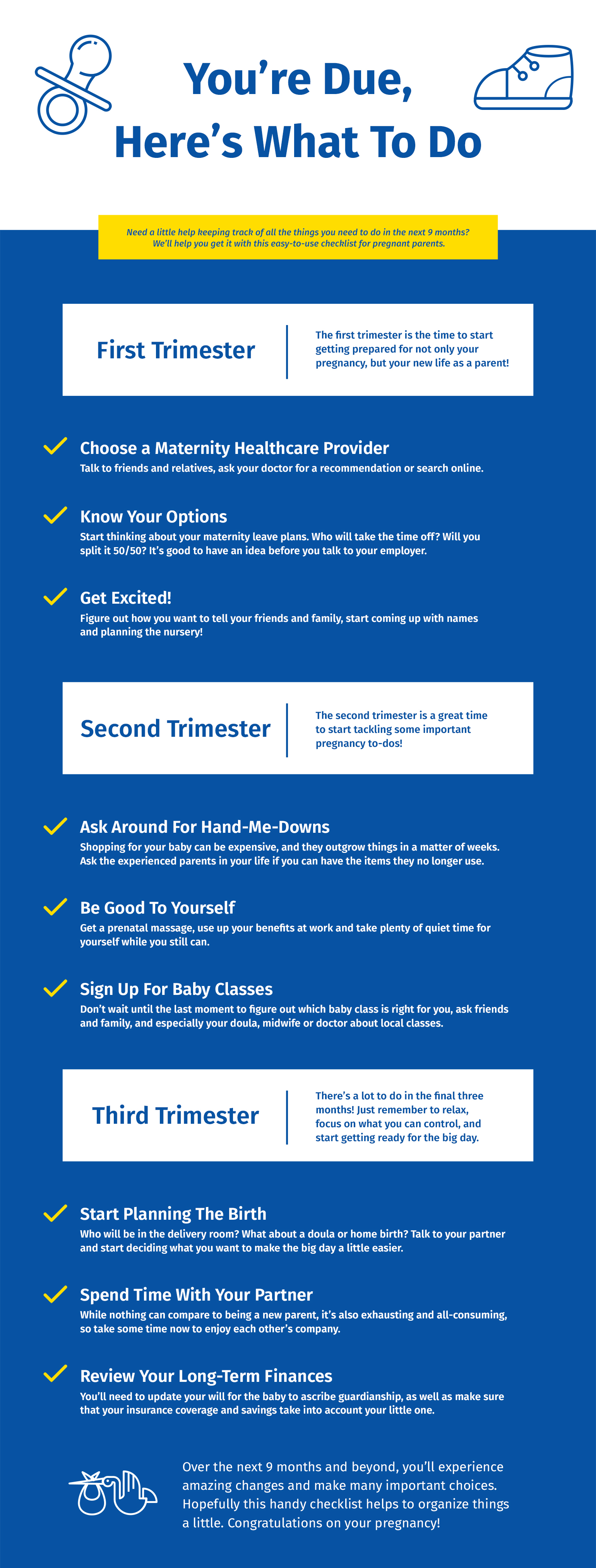
You’re Due, Here’s What To Do (Infographic)

3 Min Read
RBC
Illustration of a baby shoe.

An infographic showing what to do in different stages of a pregnancy

Interested to see how Life Insurance can protect your family? Or would you rather talk to someone? Call us at 1-800-769-2568 or find an advisor near you.

Need a little help keeping track of all the things you need to do in the next nine months? We’ll help you get it with this easy-to-use checklist for expecting parents.

First Trimester

The first trimester is the time to start getting prepared for not only your pregnancy, but your new life as a parent!

Choose a Maternity Healthcare Provider

Talk to friends and relatives, ask your doctor for a recommendation or search online.

Know Your Options

Start thinking about your maternity leave plans. Who will take the time off? Will you split it 50/50? It’s good to have an idea before you talk to your employer.

Get Excited!

Figure out how you want to tell your friends and family, start coming up with names and planning the nursery!

Second Trimester

The second trimester is a great time to start tackling some of the most important pregnancy to-dos.

Ask Around For Hand-Me-Downs

Shopping for your baby can be expensive, and they outgrow things in a matter of weeks. Ask the experienced parents in your life if you can have the items they no longer use.

Be Good To Yourself

Get a prenatal massage, use up your benefits at work and take plenty of quiet time for yourself while you still can.

Sign Up For Baby Classes

Don’t wait until the last moment to figure out which baby class is right for you, ask friends and family, and especially your doula, midwife or doctor about local classes.

Third Trimester

There’s a lot to do in the final three months, so just remember to relax, focus on what you can control, and start getting ready for the big day.

Start Planning The Birth

Who will be in the delivery room? What about a doula or home birth? Talk to your partner and start deciding what you want to make the big day a little easier.

Spend Time With Your Partner

While nothing can compare to being a new parent, it’s also exhausting and all-consuming, so take some time now to enjoy each other’s company.

Review Your Long-Term Finances

You’ll need to update your will for the baby to ascribe guardianship, as well as make sure that your insurance coverage and savings take into account your little one.

Over the next 9 months and beyond, you’ll experience amazing changes and make many important choices. Hopefully this handy checklist helps to organize things a little. Congratulations on your pregnancy!

RBC Life Insurance

Protect Your Loved Ones With Dependable Life Insurance.

Learn More

*Home and auto insurance products are distributed by RBC Insurance Agency Ltd. and underwritten by Aviva General Insurance Company. In Quebec, RBC Insurance Agency Ltd. Is registered as a damage insurance agency. As a result of government-run auto insurance plans, auto insurance is not available through RBC Insurance in Manitoba, Saskatchewan and British Columbia.

This article is intended as general information only and is not to be relied upon as constituting legal, financial or other professional advice. A professional advisor should be consulted regarding your specific situation. Information presented is believed to be factual and up-to-date but we do not guarantee its accuracy and it should not be regarded as a complete analysis of the subjects discussed. All expressions of opinion reflect the judgment of the authors as of the date of publication and are subject to change. No endorsement of any third parties or their advice, opinions, information, products or services is expressly given or implied by Royal Bank of Canada or any of its affiliates.
Home > Advice & Learning > Page 23

Three Unconventional Ways Home Insurance Has You Covered

4 Min Read
Carla Bragagnolo
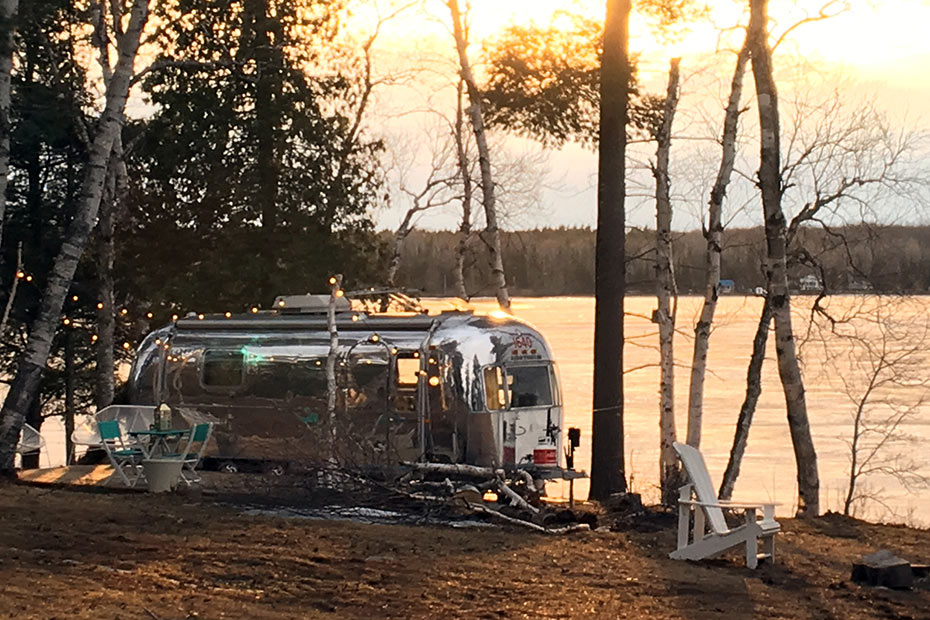
An RV beside a lake.

While millennials are coming up with new solutions to increasing housing prices, insurance plans are maintaining the pace with creative plans that cover different types of living situations. Just because you don’t own a home doesn’t mean you don’t need to be protected. Below we lay out modern scenarios many millennials might find themselves in where home, condo or tenant insurance would have been a big help.

You have fire or water damage in the condo you own or rent:

Most people think fire is the number one cause of home insurance claims, but, surprisingly, it’s actually water damage. Your home or condo insurance can cover your belongings, so you don’t have to buy everything brand new out of your own pocket. Take a moment to think about what you’d have to replace if the worst happened and you lost everything. Really think about the cost of your clothes, furniture, appliances, cosmetics, and electronics. Those items alone can get expensive quite quickly, but you also have to consider the mundane things like sheets, towels, and dishes. Even if you did happen to have $10,000 lying around, this is probably not the way you’d like to spend it.

You need to live somewhere while your home is getting repaired or worse, have to move:

Picture this: the worst has happened, and you need to stay in a hotel for a couple weeks while your home is being repaired. Home insurance will cover your hotel costs. In fact, the absolute worst case, if you need to hire movers to move items into a new condo or home, the right insurance policy can make sure you’re covered for that as well.

You lose valuables on a trip:

We all have some version of a travelling story that involves leaving a laptop1 behind on a flight or having a camera stolen right out from under our nose. Losing expensive hardware is a valid fear for many while travelling and something that can cast a terrible shadow over an otherwise wonderful trip. It doesn’t have to be this way. A little-known fact about home, condo or tenant insurance is that it extends beyond just covering items in your home – it can cover items that you lose on a trip. It might be better to pay a $500 deductible2 for an insurance claim rather than pay $5,000 for a brand-new camera. You can go a step further and specifically list items like your camera, laptop, or GoPro so that if something happens on a trip you would pay a lower deductible, but this comes with a price tag.

Even though millennial living situations might be vastly different than the previous generation, it doesn’t mean that millennials don’t need to be insured. RBC Insurance has options to cover your living arrangements. You can make an appointment with an advisor who will give you personalized advice based on your unique living situation – there is no cost for advice and no obligation to buy.

Learn more about home insurance options or speak with an RBC Insurance advisor to make sure you’re covered and can focus on what you love to do.

We also have options tailored to all millennial facets of life. Check out how we can help cover you for protecting your income and your loved ones.

Property and auto insurance for individuals and families is underwritten by Aviva General Insurance Company.
1) Insurance excludes the cost of data reproduction on computers.
2) Deductible: the amount of money you pay in an insurance claim before the insurance coverage pays for you.

Great Rates and Expert Advice on Home Insurance

Get a free online quote* for coverage to protect you, your property, and your belongings from the unexpected.

Learn More

*Home and auto insurance products are distributed by RBC Insurance Agency Ltd. and underwritten by Aviva General Insurance Company. In Quebec, RBC Insurance Agency Ltd. Is registered as a damage insurance agency. As a result of government-run auto insurance plans, auto insurance is not available through RBC Insurance in Manitoba, Saskatchewan and British Columbia.

This article is intended as general information only and is not to be relied upon as constituting legal, financial or other professional advice. A professional advisor should be consulted regarding your specific situation. Information presented is believed to be factual and up-to-date but we do not guarantee its accuracy and it should not be regarded as a complete analysis of the subjects discussed. All expressions of opinion reflect the judgment of the authors as of the date of publication and are subject to change. No endorsement of any third parties or their advice, opinions, information, products or services is expressly given or implied by Royal Bank of Canada or any of its affiliates.

Home > Advice & Learning > Page 23

How to Cellar and Store Your Wines at Home — Wine Wisdom with Franco Stalteri

1 Min Read
RBC Insurance
Franco Stalteri posing beside bottles of wine, ready to share knowledge.

On this page

Whether you’re buying wine as an investment or for your own enjoyment, you’ll want to ensure you’re storing them in order to avoid spoiling them. The temperature, humidity, light, and vibrations in your wine cellar can all affect a wine’s quality.

Filmed at the Wine Academy in Toronto, Franco Stalteri, founder of Charlie’s Burgers and The CB Wine Program, shares how to safeguard your wine by maturing it in an optimal environment.

Want to learn how to insure your wine and other unique valuables?

Contact one of our RBC Private Insurance Advisors today at 1-800-769-2517.

RBC Insurance

We make it easy to find expert advice, money-saving tips, and a range of insurance options for every moment of life.

*Home and auto insurance products are distributed by RBC Insurance Agency Ltd. and underwritten by Aviva General Insurance Company. In Quebec, RBC Insurance Agency Ltd. Is registered as a damage insurance agency. As a result of government-run auto insurance plans, auto insurance is not available through RBC Insurance in Manitoba, Saskatchewan and British Columbia.

This article is intended as general information only and is not to be relied upon as constituting legal, financial or other professional advice. A professional advisor should be consulted regarding your specific situation. Information presented is believed to be factual and up-to-date but we do not guarantee its accuracy and it should not be regarded as a complete analysis of the subjects discussed. All expressions of opinion reflect the judgment of the authors as of the date of publication and are subject to change. No endorsement of any third parties or their advice, opinions, information, products or services is expressly given or implied by Royal Bank of Canada or any of its affiliates.

Home > Advice & Learning > Page 23

Are Your Parents’ Final Expenses Covered?

3 Min Read
Andrew Seale
A woman talking to her father about the importance of life insurance

With funeral costs and final expenses such as debts and mortgage to be paid, having a clear plan in place can help assure financial stability for the survivors as they move through the grieving process.

Starting the Conversation

You can relieve some of the discomfort from the conversation by explaining that you care for them and value their independence; you just want to understand their needs. If you have siblings, they should also be involved as early as possible. The emphasis should be on promoting a positive, open discussion.

Find out what arrangements, if any, are already in place. Reassure your parents that you aren’t judging them for plans that were, or weren’t, made when asking these questions:

  • Do you have a power of attorney or will?
  • Who do you want to make the decisions if you become incapacitated?
  • Where do you keep important documents including:
    • Birth certificates
    • Medical records
    • Property records
    • Insurance documents
    • Financial documents
    • Contact info for attorneys, doctors and financial planners
    • Logins and passwords to any online and social accounts
  • When the time comes, would you prefer to be at home or in assisted living/hospice care?
  • Are there family or religious traditions you would like followed?
  • Have you prearranged your funeral?

Funeral Costs in Canada

According to Canadian Funerals, the average cost of a burial – which includes a professional services fee for the funeral provider’s time, the ceremony, the casket, transportation, a memorial package and a plot at a cemetery – can range from $5,000 on the lower end to upwards of $15,000. Cremation, on the other hand, is often a less expensive option, ranging from $600 for a simple direct cremation to $4,500 once you start adding in elements like a viewing, funeral flowers, and an obituary notice.

Of course, most parents don’t want their adult children to shoulder these costs so it’s important to have a clear understanding of the kinds of insurance and financial resources that will support you at the time of their death.

At this point, you could recommend that your parents speak to an insurance advisor to review their end-of-life plan and ensure they have appropriate life insurance coverage that will help cover some, or all, of their final expenses. If they don’t already have coverage, their insurance advisor can help determine a monthly premium that fits within their budget.

A financial advisor can also examine your parents’ resources to ensure they have a plan that supports their medical and living expenses.

Carrying on the Conversation

These don’t have to be one-time conversations; it can be an ongoing dialogue. Further down the line, it may be important to include other experts such as geriatric care managers or legal advisors. The conversation should make both you and your parents feel more knowledgeable of their wishes and secure in their end-of-life plan.

Understand the Critical Role Guaranteed Acceptance Life Insurance can Play in Covering Final Expenses:

RBC Life Insurance

Protect Your Loved Ones With Dependable Life Insurance.

Learn More

*Home and auto insurance products are distributed by RBC Insurance Agency Ltd. and underwritten by Aviva General Insurance Company. In Quebec, RBC Insurance Agency Ltd. Is registered as a damage insurance agency. As a result of government-run auto insurance plans, auto insurance is not available through RBC Insurance in Manitoba, Saskatchewan and British Columbia.

This article is intended as general information only and is not to be relied upon as constituting legal, financial or other professional advice. A professional advisor should be consulted regarding your specific situation. Information presented is believed to be factual and up-to-date but we do not guarantee its accuracy and it should not be regarded as a complete analysis of the subjects discussed. All expressions of opinion reflect the judgment of the authors as of the date of publication and are subject to change. No endorsement of any third parties or their advice, opinions, information, products or services is expressly given or implied by Royal Bank of Canada or any of its affiliates.

Home > Advice & Learning > Page 23

Working Without a Net: Protecting Yourself in the Freelance Economy

3 Min Read
A man looking at his phone and smiling.

In Canada, approximately 1.9 million people are classified as self-employed and another 2.3 million people are classified as temporary employees.

Freelancing can be an attractive option because of the flexibility and independence it may offer; however, for some the potential uncertainties of steady work and need for benefits could outweigh the mobility freelancing provides.

Whether you’re a recent graduate or a seasoned professional, there are some things to consider before plunging headfirst into freelancing.

Consider a Rainy Day Fund

No matter your age, having a rainy day fund of at least three months’ worth of income can help cover basic living expenses or unexpected medical costs.

Traditional employment — a steady, salaried position at a firm — usually provides a safety net in the form of group insurance plans, severance pay and other employee benefits. Choosing to work as a freelancer can mean not having access to company programs, so it’s important to plan ahead to protect yourself and your assets.

Putting money aside for unexpected expenses like dental appointments, medical examinations or prescription drugs, may help to provide peace of mind in-between gigs.

Protecting Yourself

In addition to a rainy day fund, health and creditor insurance plans may help you weather temporary disruptions to your work. For example:

  • Disability insurance can replace your income if accident, injury or illness (including mental illness) keeps you off work. It can also provide benefit and premium options to match your occupation and income level, and supplement the gaps left by CPP and QPP benefits.
  • Critical illness insurance can provide much needed funds if you are diagnosed with a condition like cancer, heart attack or other critical illnesses. Buying a policy when you’re younger, and potentially healthier, makes it more affordable.
  • Creditor insurance can provide financial protection for your credit card, loan, or mortgage should the unexpected happen.

Finding Work as a Freelancer

Recent studies have shown that the most successful freelancers are those who leverage traditional work and use past experience to establish credibility. But many young people entering the workforce have limited work experience, making freelancing potentially their only source of income.

[quote-callout content=”Gone are the days where the work structure looks like a hierarchy; I think it’s more of a puzzle or a network where you need to bring in the right expertise at the right time.” display=”all” position=”right”]

Michael Carter, CEO and co-founder of Kahuso a platform for senior executives looking for freelance positions, predicts the rise of freelancers will occur at every level of organizations. “I think companies fundamentally have to learn how to access great talent and not to own it. Gone are the days where the work structure looks like a hierarchy; I think it’s more of a puzzle or a network where you need to bring in the right expertise at the right time.”

The pace at which business is evolving suggests freelancing and contract work may continue to play a significant role in the future economy. To stay afloat, smart freelancers can take measures, including rainy day funds and adequate insurance, to help mitigate the ups and downs in the ever-changing world of work.

Looking to Cover Your Bills if You Ever Get Sick or Injured and Can’t Work?

RBC Disability Insurance

Help ensure your expenses are covered if you get sick or injured

Learn More

*Home and auto insurance products are distributed by RBC Insurance Agency Ltd. and underwritten by Aviva General Insurance Company. In Quebec, RBC Insurance Agency Ltd. Is registered as a damage insurance agency. As a result of government-run auto insurance plans, auto insurance is not available through RBC Insurance in Manitoba, Saskatchewan and British Columbia.

This article is intended as general information only and is not to be relied upon as constituting legal, financial or other professional advice. A professional advisor should be consulted regarding your specific situation. Information presented is believed to be factual and up-to-date but we do not guarantee its accuracy and it should not be regarded as a complete analysis of the subjects discussed. All expressions of opinion reflect the judgment of the authors as of the date of publication and are subject to change. No endorsement of any third parties or their advice, opinions, information, products or services is expressly given or implied by Royal Bank of Canada or any of its affiliates.

*Home and auto insurance products are distributed by RBC Insurance Agency Ltd. and underwritten by Aviva General Insurance Company. In Quebec, RBC Insurance Agency Ltd. Is registered as a damage insurance agency. As a result of government-run auto insurance plans, auto insurance is not available through RBC Insurance in Manitoba, Saskatchewan and British Columbia.

This article is intended as general information only and is not to be relied upon as constituting legal, financial or other professional advice. A professional advisor should be consulted regarding your specific situation. Information presented is believed to be factual and up-to-date but we do not guarantee its accuracy and it should not be regarded as a complete analysis of the subjects discussed. All expressions of opinion reflect the judgment of the authors as of the date of publication and are subject to change. No endorsement of any third parties or their advice, opinions, information, products or services is expressly given or implied by Royal Bank of Canada or any of its affiliates.

Home > Advice & Learning > Page 23

Make Time for Maintenance: The Top Four Reasons Your Home Insurance Claim Could Be Denied

6 Min Read
Amanda Reaume
A couple laying down on floor with home maintenance equipment and smiling.

Between your work schedule and your kids’ weekend practices and games, your home maintenance ‘To Do List’ might be at the bottom of your junk drawer with all those pizza coupons you keep forgetting to use. But not making time for home maintenance could cost you.

Not taking care of the smaller stuff like cleaning gutters or checking for leaks could translate into costly damage over time. It could also mean being rejected when you need to file an insurance claim. Here are four of the most common reasons for denied claims.

1. Appliance and Fixture Seepage

Drip. Drip. Drip. It might seem innocuous, but if you hear a slow dripping sound, fix it fast! Slow leakage can cause big damage as it leads to things like rot and mold. Be sure to check all your appliances and fixtures, as well as hot water heaters, washing machines, bathtubs, showers, and pipes for leaks on a regular basis.

Should You Fix it Yourself?

Oftentimes, all you need is a good wrench and some elbow grease to put an end to a leak, but depending on your level of DIY expertise, you might need to call a plumber if the problem persists, or if there’s a broken hose or cracked pipe.

Time it Will Take

Less than one hour to check everything every couple of months – or the equivalent of one episode of Game of Thrones you would have otherwise binge watched. You can wait a little longer to see which character is killed or comes back to life.

2. Foundation Seepage

You might love your big oak tree for its broad branches, but if you planted it too close to your foundation, you could be in for a world of trouble. Oaks are among the list of trees that are notorious for disturbing foundation walls, leading to water seepage. While being careful about how you landscape will help, there are other things you should do to make sure your basement doesn’t end up as damp and moldy as a bog. Ensure that water from your gutters or from watering plants drains away from your house, seal your porous masonry, and walk around your house every season to check for visible cracks in your foundation and get them fixed.

Should You Fix It Yourself?

If you have to move or cut down trees or plants, you might be able to do it yourself for the price of a few hours of sweat and a chainsaw. Fixing your downspouts and drainage can also be accomplished with a trip to the hardware store for splash pads and some hard work redoing the grading of your flower beds respectively. But make sure to call in a professional if you have cracks in your foundation – your best efforts with a can of caulk won’t cut it.

Time It Will Take

Fifteen minutes to walk around your yard once a season and see if anything needs to be done.

3. Roofing Deterioration

Got stains on your ceiling? That’s never a good sign! Roofs are expensive, but if they’re leaking they can create a lot of other costly problems like mold and rot in your house. It’s critical to spot and stop deterioration before your house starts to look like the green block of cheddar cheese you found in the back of your fridge. Cut back trees that might be dropping debris on your roof, clean out gutters seasonally, clear off large dumps of snow in the winter, install eaves protectors, check your attic for signs of water, make sure the flashing around your chimney is properly installed and not deteriorating, and check to see for damage or deterioration in roofing shingles.

Should You Fix It Yourself?

Cleaning gutters or installing eaves protectors is one of those quintessential yard chores homeowners have to do but grumble about. If you procrastinate every year, then hire someone rather than waiting for another season. If your roof needs a repair, don’t be a hero — call in the professionals.

Time it Will Take?

About 1 hour every season to visually inspect everything. Cleaning gutters is one of those jobs that can take a whole sunny summer afternoon when you’d rather be at the beach-so do it on a weekend when it’s overcast and everyone in the household is bored and a little stir-crazy and you won’t miss anything!

4. Windows and Siding Deterioration

Fog looks beautiful when it’s rolling in over the water in the early morning, but if the insides of your double or triple paned windows are foggy or full of condensation, you’ve got a problem with the seals. Check your windows every season for rot, moisture, warping, gaps between the casing and the wall, worn seals, and paint chips. You should check your siding seasonally as well. For wood siding, clean it yearly, re-stain or paint it every five years, apply sealant every two years, and replace damaged siding quickly. For vinyl siding, clean it yearly, paint it every seven to ten years, and replace it if damaged.

Should You Fix It Yourself?

Fixing small problems with windows by removing rot or applying some epoxy or caulk can be a piece of cake, but for larger issues, you might have to replace the window. When it comes to siding damage, get a professional. Trying to remove one piece of siding could pull up others and leave your house vulnerable.

Time It Will Take

A couple of hours once a season to inspect everything and perform some minor fixes — or the time it would take you to get dressed to go to the gym, do the laundry, clean the kitchen, start reading a good book, and then realize you’ve just been procrastinating about going to the gym.

Learn more about home insurance.

Rather talk to someone? Call 1-877-749-7224 or find an advisor near you.

Sources:

https://www.doityourself.com/stry/tips-for-regular-window-maintenance

Caring for Wood Siding

https://www.vinylsiding.org/homeowners/resources/cleaning-maintenance-tips/

https://blog.gaf.com/5-maintenance-tips-to-help-prevent-roof-leaks/

Great Rates and Expert Advice on Home Insurance

Get a free online quote* for coverage to protect you, your property, and your belongings from the unexpected.

Learn More

*Home and auto insurance products are distributed by RBC Insurance Agency Ltd. and underwritten by Aviva General Insurance Company. In Quebec, RBC Insurance Agency Ltd. Is registered as a damage insurance agency. As a result of government-run auto insurance plans, auto insurance is not available through RBC Insurance in Manitoba, Saskatchewan and British Columbia.

This article is intended as general information only and is not to be relied upon as constituting legal, financial or other professional advice. A professional advisor should be consulted regarding your specific situation. Information presented is believed to be factual and up-to-date but we do not guarantee its accuracy and it should not be regarded as a complete analysis of the subjects discussed. All expressions of opinion reflect the judgment of the authors as of the date of publication and are subject to change. No endorsement of any third parties or their advice, opinions, information, products or services is expressly given or implied by Royal Bank of Canada or any of its affiliates.